


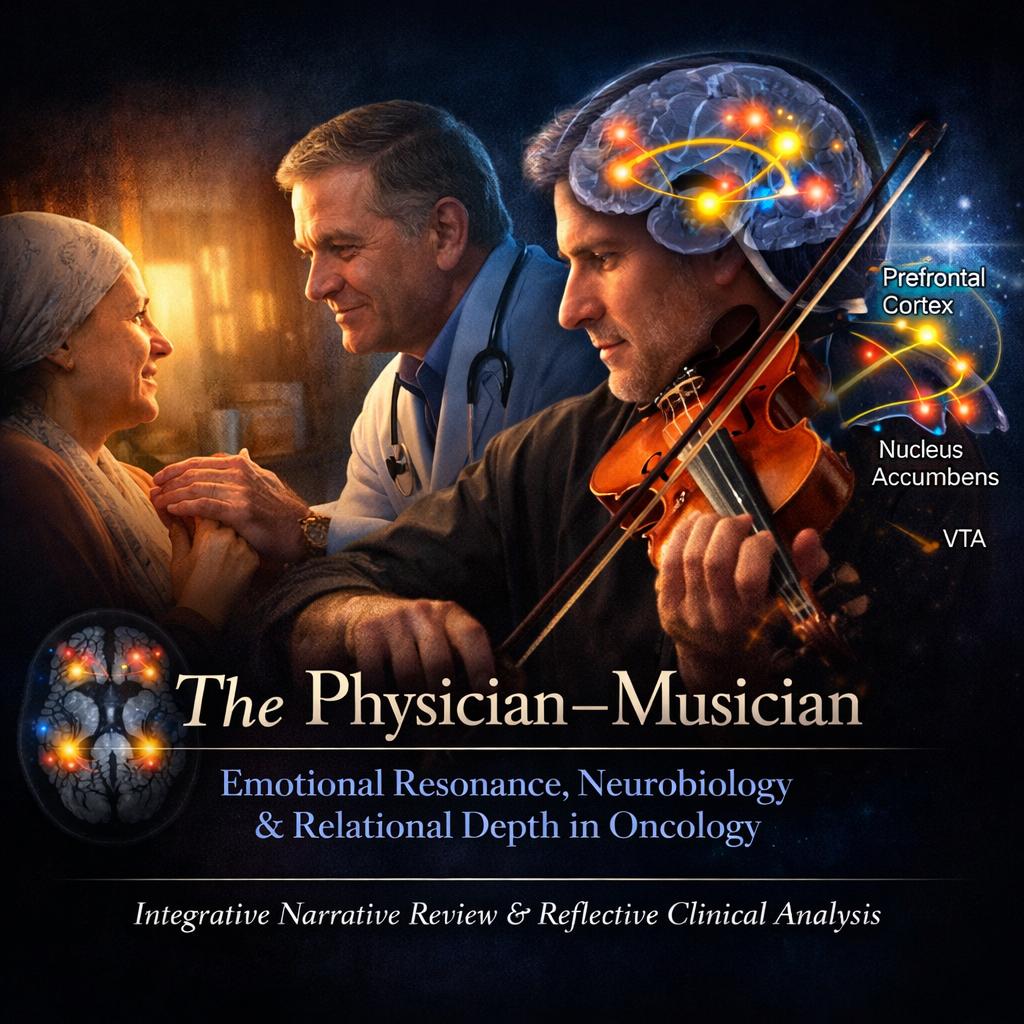
Explores how active musical performance influences neurobiology, empathy, and emotional regulation to enhance resilience and patient-centered communication in oncology care.
The Physician–Musician: Emotional Resonance, Neurobiology, and Relational Depth in Oncology Care
 |
| Dr. Adrián Pablo Huñis |
|
School of Medicine - Universidad de Buenos Aires Emeritus Member of ASCO Emeritus Member of ESMO Honorary Member of AMA |
Abstract
Oncology requires sustained emotional presence under conditions of uncertainty, suffering, and existential threat. Emotional regulation, empathic attunement, and attentional stability are core clinical competencies. Active musical performance engages limbic, dopaminergic, and prefrontal networks implicated in affective modulation and social cognition (1–6,17). This manuscript integrates an evidence-supported narrative review with reflective clinical analysis to examine how musicianship may translate into deeper empathic listening, improved pacing of difficult conversations, and resilience in oncology practice (7–13,20–23).
Objectives
1. To analyze the neurobiological basis of active musical performance and its effects on emotional modulation and attention (1–6,17–19).
2. To explore links between music-related emotional regulation and empathic, patient-centered oncology care (7–9,20,21).
3. To examine the potential role of artistic engagement in physician resilience and mitigation of burnout risk (10–13,23).
4. To propose a bidirectional enrichment framework integrating musicianship with relational depth in oncology (20–23).
Introduction
Modern oncology is a discipline of biologic precision practiced inside human vulnerability. Clinicians routinely deliver complex information while simultaneously holding fear, grief, and uncertainty. Over time, emotional distancing can become a defensive adaptation—functional in the short term, but potentially corrosive to presence and meaning. Burnout among physicians, including oncologists, has been described as a major professional and public-health concern (10,11).
Music, by contrast, is a structured emotional language. Beyond passive listening, active performance requires timing, restraint, anticipatory listening, and controlled intensity—micro-competencies that closely resemble the demands of difficult clinical encounters. Neuroscience supports that music is not merely pleasurable but a high-density stimulus capable of recruiting reward and regulation networks and shaping attention through training-related neuroplasticity (1–6,17).
This manuscript advances a clinically pragmatic hypothesis: sustained musical practice may strengthen emotional regulation and attentional control, thereby improving empathic attunement and communication depth in oncology consultations. The argument is not metaphorical; it is grounded in known neural mechanisms and physician-wellness literature (1–13,20–23).
Methods
This is an integrative narrative review combined with reflective clinical analysis. The narrative synthesis draws from peer-reviewed literature in neuroscience of music, empathy research, autonomic and stress physiology, and oncology communication. Reflective elements describe plausible translational pathways from musical performance to clinical behavior, without asserting causal clinical outcomes beyond the currently available evidence. References are presented in Vancouver style, and in-text citations use numeric ranges.
Methods
The following open-license images are included as illustrative visual anchors (not as patient-specific material).

Plate 1. Physician–patient consultation (illustrative; public-domain image released by the U.S. National Cancer Institute).

Plate 2. Active musical performance (illustrative; CC BY-SA 2.0).
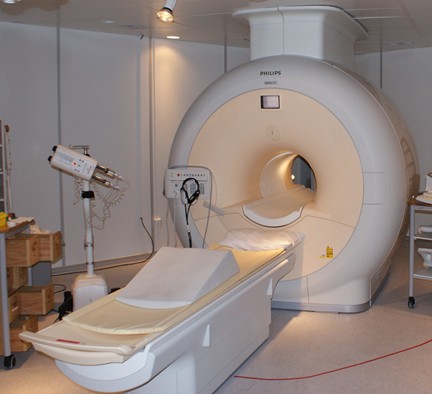
Plate 3. MRI environment (illustrative; CC BY 3.0).
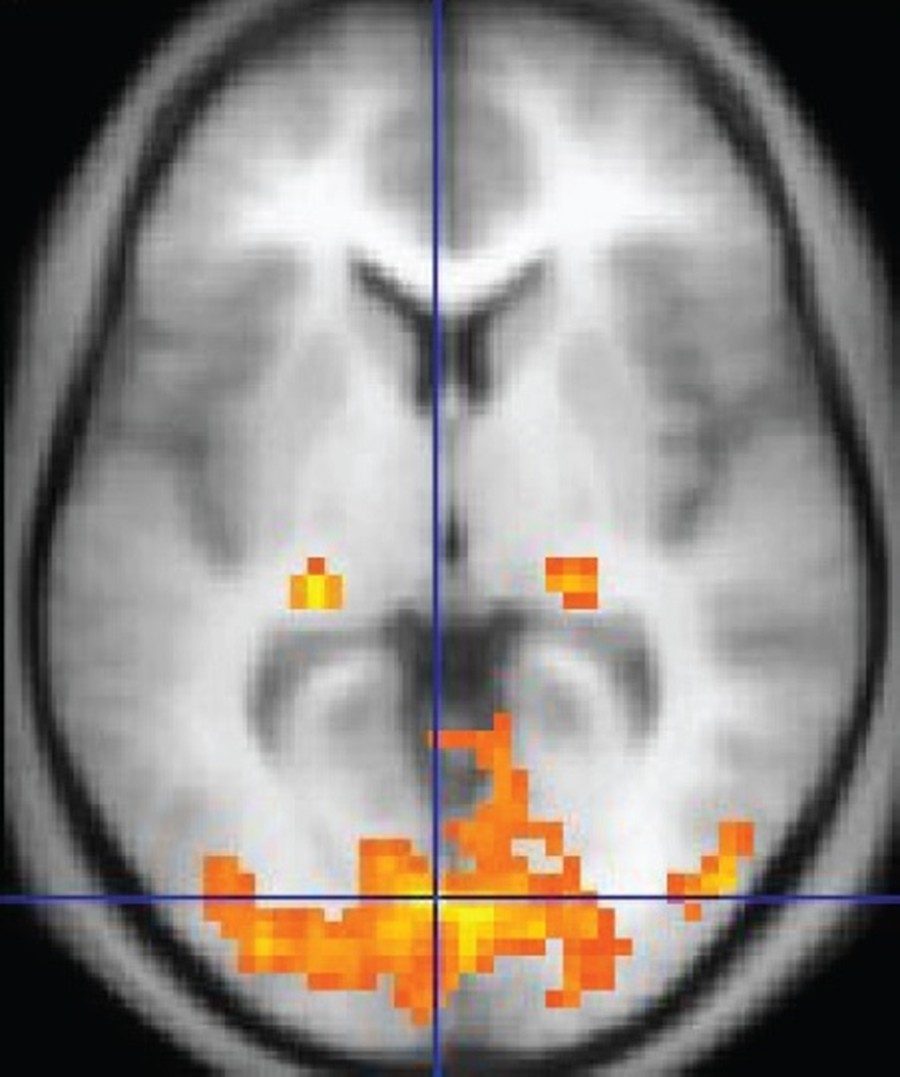
Plate 4. Functional MRI brain activation map (illustrative; CC BY 4.0).
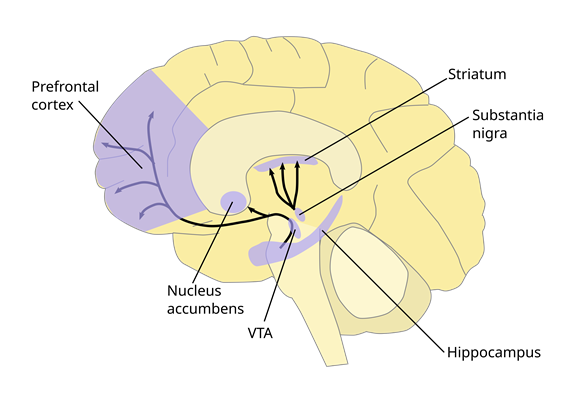
Plate 5. Major dopamine pathways (illustrative; public domain).
Image credits and licenses
Plate 1: Doctor consults with patient (7).jpg — Source: National Cancer Institute (NIH), public domain. Wikimedia Commons: https://commons.wikimedia.org/wiki/File:Doctor_consults_with_patient_(7).jpg
.jpg)
Plate 2: Flamenco guitar player.jpg — Author: Rich Anderson; License: CC BY-SA 2.0. Wikimedia Commons: https://commons.wikimedia.org/wiki/File:Flamenco_guitar_player.jpg

Plate 3: MRI-Philips.JPG — Author: Jan Ainali; License: CC BY 3.0. Wikimedia Commons: https://commons.wikimedia.org/wiki/File:MRI-Philips.JPG

Plate 4: 1206 FMRI.jpg — Author: OpenStax; License: CC BY 4.0. Wikimedia Commons: https://commons.wikimedia.org/wiki/File:1206_FMRI.jpg

Plate 5: Dopamine pathways.svg — Derived from NIH/NIDA; Public domain. Wikimedia Commons: https://commons.wikimedia.org/wiki/File:Dopamine_pathways.svg

Development
1. Neurobiology of musical engagement: reward, salience, and regulation
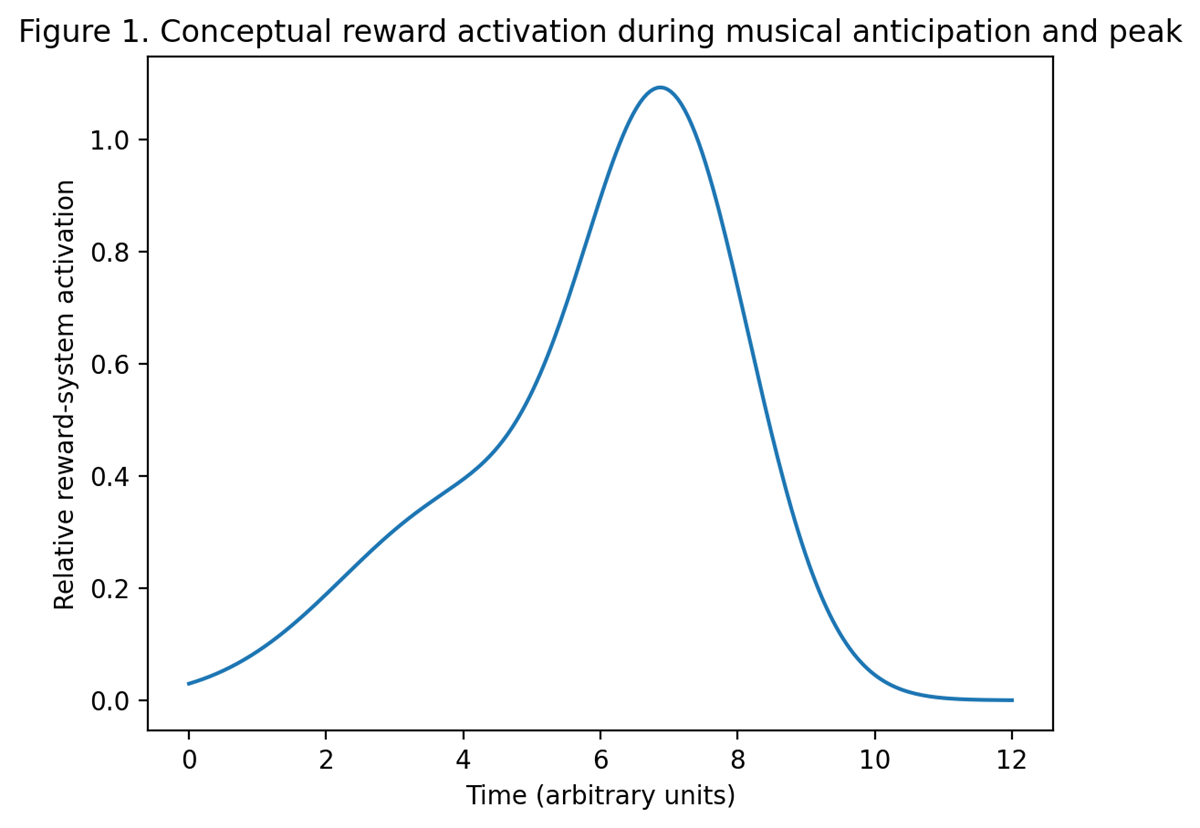
Music-evoked emotion has reliable brain correlates across salience, reward, memory, and regulation networks (1,6,16). Dopaminergic signaling—particularly involving nucleus accumbens—has been observed during anticipation and peak emotional moments in music, linking aesthetic experience to motivation and meaning (2,17). In oncology practice, meaning and reward systems are not luxuries; they are buffers against chronic emotional load.
Long-term musical training is associated with structural and functional adaptations, including enhanced auditory–motor coupling and training-related neuroplastic changes (3–5). Deliberate practice frameworks help explain how repeated, goal-directed rehearsal reshapes precision, error monitoring, and cognitive flexibility (19). These capabilities are clinically relevant when the physician must integrate dense biomedical data while tracking subtle patient cues and adjusting communication in real time.
Table 1. Neural systems engaged by music and potential clinical translation.
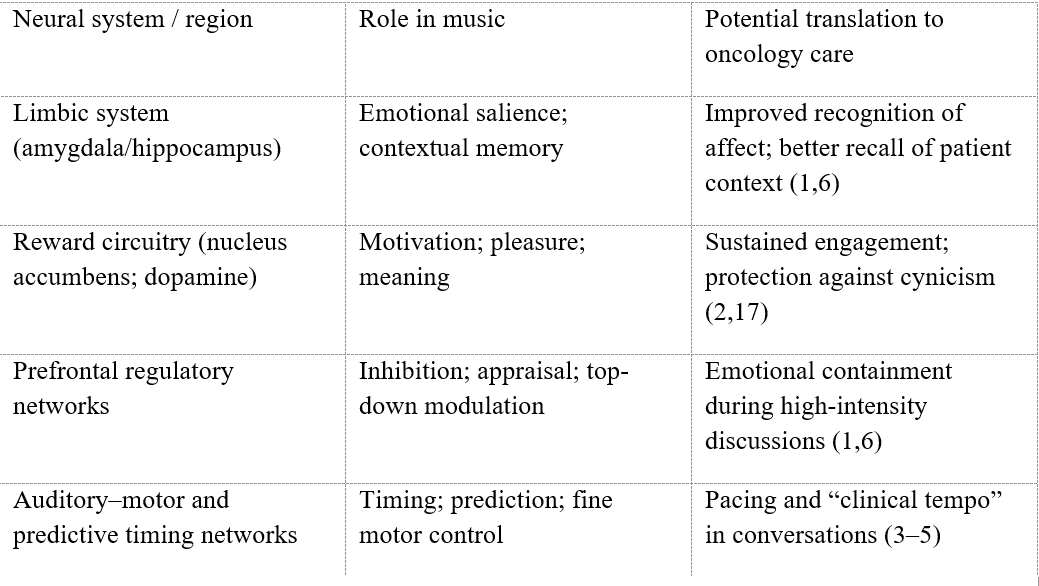
Figure 1. Conceptual reward activation during musical anticipation and peak.
2. Empathy, mirroring, and attunement: from phrasing to clinical listening
Empathy is not a single trait; it involves affective resonance, cognitive perspective-taking, and behavioral responsiveness (7). Mirror neuron research provides a plausible substrate for embodied simulation, in which observing another’s state recruits overlapping neural representations (8). In clinical settings, this may support rapid, non-verbal recognition of distress and shifts in emotional intensity.
Musical performance is an extended apprenticeship in attunement. Phrasing requires disciplined modulation of intensity, control of timing, and tolerance of silence. These map onto oncology encounters where the clinician must calibrate tone, pacing, and pauses while maintaining clarity and compassion. The clinical relevance is underscored by literature linking physician empathy to meaningful clinical outcomes (9).
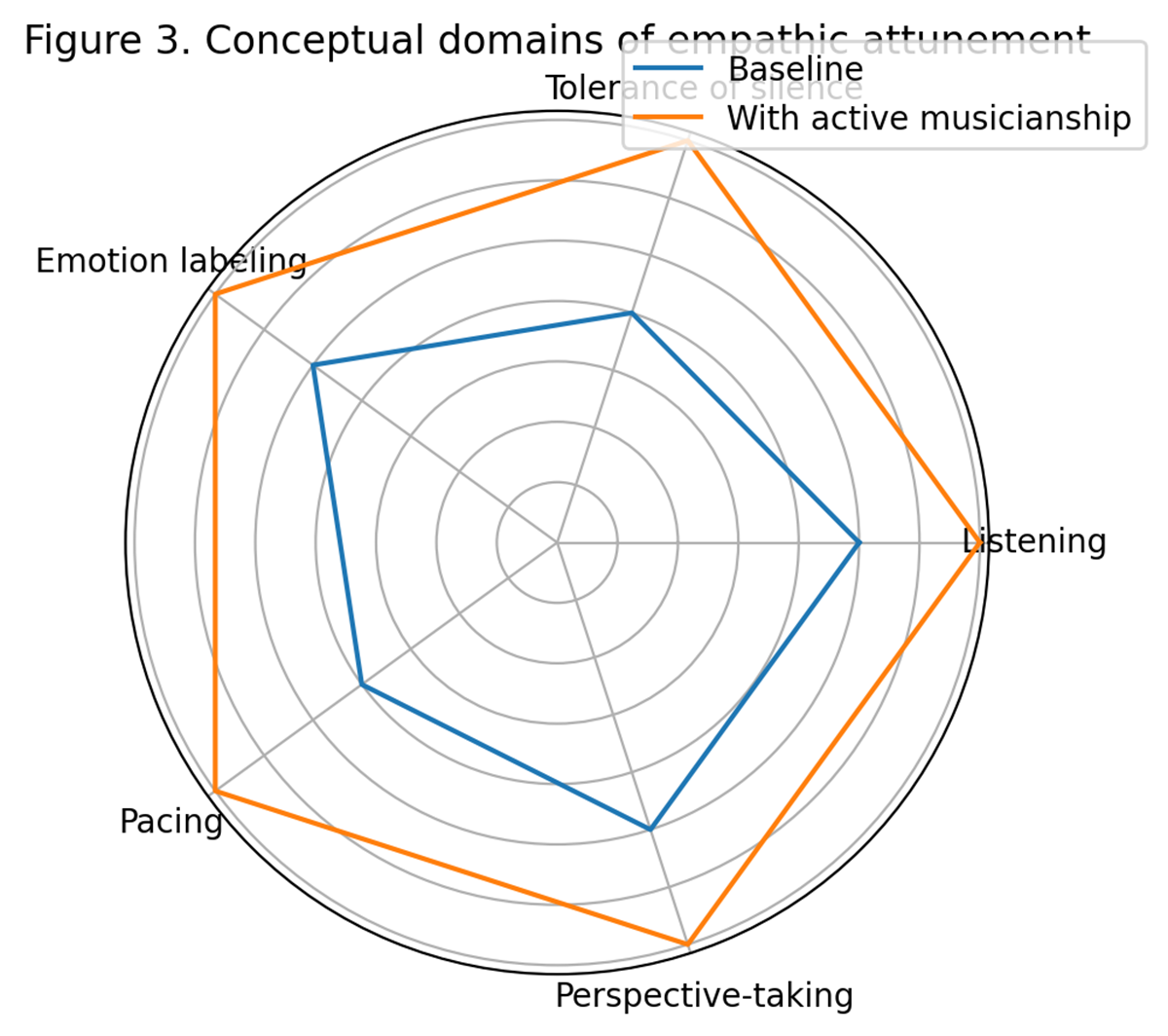
Figure 3. Conceptual domains of empathic attunement potentially influenced by active musicianship.
3. Stress physiology and burnout: music as structured emotional metabolism
Burnout is often characterized by emotional exhaustion, depersonalization, and diminished sense of accomplishment (10,11). While organizational interventions are essential, individual protective mechanisms also contribute to endurance and professional meaning (11).
Music has demonstrated modulatory effects on stress physiology and autonomic balance, including measurable cardiovascular and neuroendocrine responses (12,13). Conceptually, active performance can function as structured emotional metabolism: it does not eliminate sorrow, but gives it shape, temporality, and resolution. This is clinically important because unprocessed affect can accumulate and later emerge as irritability, avoidance, or emotional numbing—features commonly reported in burnout narratives (10–12).
Table 2. Stress-related domains influenced by musical engagement.
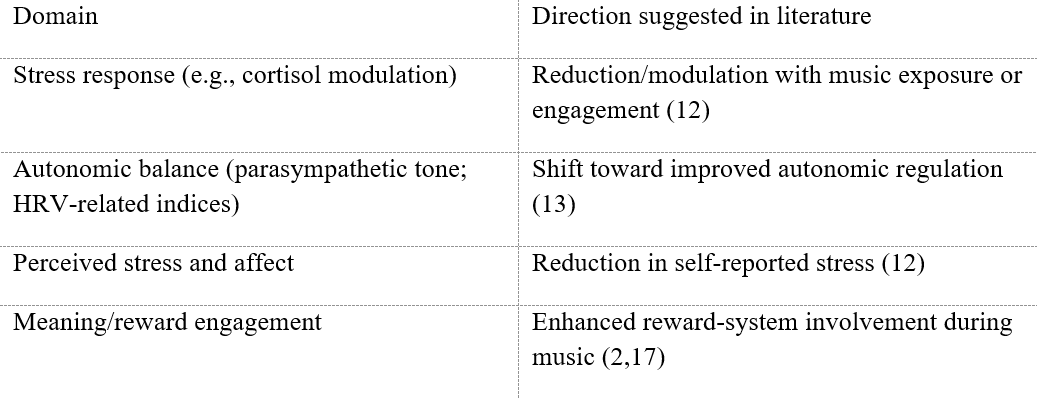
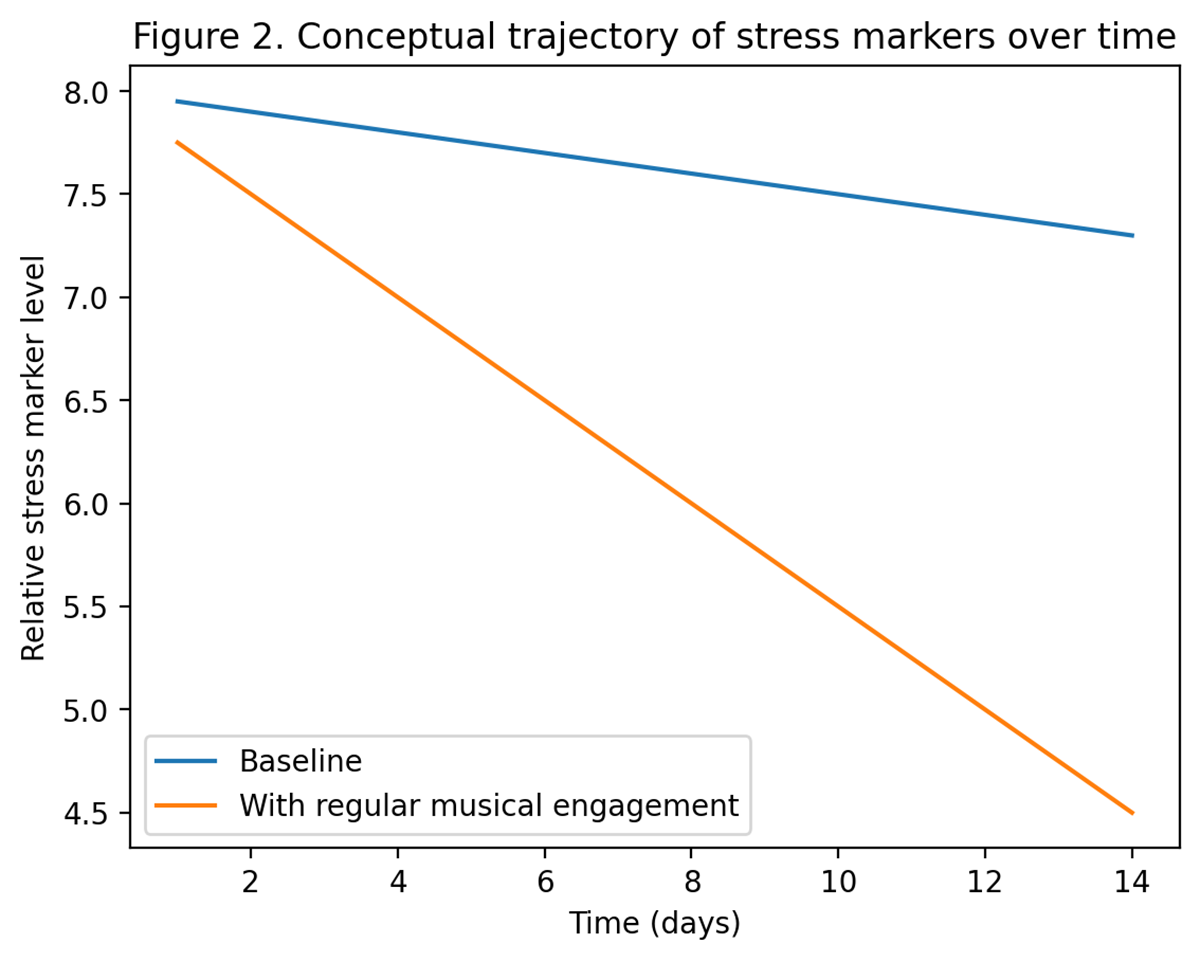
Figure 2. Conceptual trajectory of stress markers over time (baseline vs regular musical engagement).
4. Attention, timing, and the clinical tempo of communication
Patient-centered oncology communication emphasizes clarity, pacing, verification of understanding, and explicit emotional validation (20,21). These are fundamentally temporal decisions: when to speak, when to simplify, when to pause, and when to allow silence.
Music trains timing and purposeful silence. Rests carry meaning. In clinic, an intentional pause can prevent defensive overtalking, allow tears, or create space for patient agency. This is not romanticism; it is technique—transferable from rehearsal room to consultation room.
5. A bidirectional enrichment framework
The physician–musician identity can be conceptualized as a bidirectional enrichment loop. Musical practice strengthens emotional regulation and attentional control; oncology deepens musical interpretation by exposing the performer to vulnerability, meaning, and the limits of control. At population level, arts engagement has been mapped to health and well-being outcomes, supporting plausibility for this integration (23).
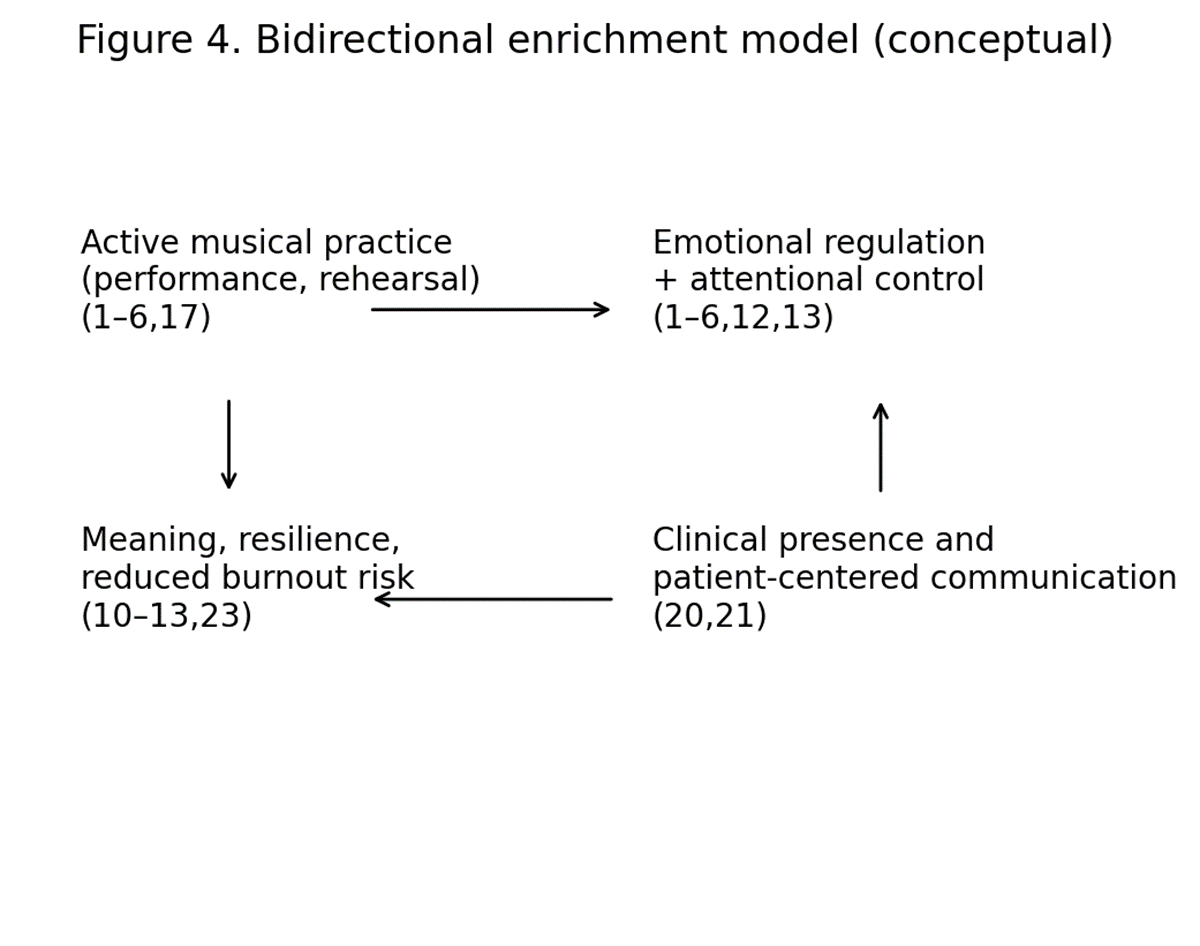
Figure 4. Bidirectional enrichment model (conceptual).
Clinical Implications for Oncology Practice
- Enhanced listening discipline: musical training encourages sustained attention and sensitivity to non-verbal cues (7–9).
- Improved pacing of difficult information: timing and silence are practiced competencies in performance and clinically in communication frameworks (20,21).
- Emotional containment without emotional withdrawal: regulation networks engaged by music may support presence under stress (1–6,12,13).
- Meaning maintenance: reward/meaning circuitry and arts engagement may protect against cynicism and depersonalization (2,10,11,17,23).
Limitations and Future Directions
This manuscript integrates evidence from neuroscience and wellness literature with reflective translational reasoning. Direct causal links between active musicianship and improved oncology patient outcomes remain to be prospectively tested. Future work could include: (i) cohort studies comparing burnout indices, HRV markers, or validated empathy scales between physician-musicians and non-musicians; (ii) interventional trials assessing structured music-making programs for oncology clinicians; and (iii) qualitative studies exploring how musicianship shapes communication behavior in real consultations.
Conclusions
1. Active musical performance engages limbic–reward–prefrontal networks central to emotional modulation and meaning (1,2,6,17).
2. Mechanisms described in empathy and mirror-system literature provide plausible pathways for enhanced empathic attunement and listening depth (7–9).
3. Music-related stress modulation and autonomic effects are relevant to resilience and burnout risk in oncology (10–13).
4. A bidirectional enrichment model coherently integrates these mechanisms with patient-centered communication frameworks (20–23).
5. Prospective interdisciplinary research is warranted to test measurable impacts on physician well-being and patient experience.
References (Vancouver style)
1. Koelsch S. Brain correlates of music-evoked emotions. Nat Rev Neurosci. 2014;15(3):170-80. https://doi.org/10.1038/nrn3666
2. Salimpoor VN, Benovoy M, Larcher K, Dagher A, Zatorre RJ. Anatomically distinct dopamine release during anticipation and experience of peak emotion to music. Nat Neurosci. 2011;14(2):257-62. https://doi.org/10.1038/nn.2726
3. Zatorre RJ, Fields RD, Johansen-Berg H. Plasticity in gray and white: neuroimaging changes in brain structure during learning. Nat Neurosci. 2012;15(4):528-36. https://doi.org/10.1038/nn.3045
4. Schlaug G. The brain of musicians. Ann N Y Acad Sci. 2001;930:281-99. https://doi.org/10.1111/j.1749-6632.2001.tb05739.x
5. Wan CY, Schlaug G. Music making as a tool for promoting brain plasticity across the life span. Neuroscientist. 2010;16(5):566-77. https://doi.org/10.1177/1073858410377805
6. Koelsch S. Music-evoked emotions: principles, brain correlates, and implications for therapy. Ann N Y Acad Sci. 2015;1337:193-201. https://doi.org/10.1111/nyas.12684
7. Decety J, Jackson PL. The functional architecture of human empathy. Behav Cogn Neurosci Rev. 2004;3(2):71-100. https://doi.org/10.1177/1534582304267187
8. Rizzolatti G, Craighero L. The mirror-neuron system. Annu Rev Neurosci. 2004;27:169-92. https://doi.org/10.1146/annurev.neuro.27.070203.144230
9. Hojat M, Louis DZ, Markham FW, Wender R, Rabinowitz C, Gonnella JS. Physicians’ empathy and clinical outcomes for diabetic patients. Acad Med. 2011;86(3):359-64. https://doi.org/10.1097/ACM.0b013e3182086fe1
10. Shanafelt TD, Boone S, Tan L, Dyrbye LN, Sotile W, Satele D, et al. Burnout and satisfaction with work-life balance among US physicians. Arch Intern Med. 2012;172(18):1377-85. https://doi.org/10.1001/archinternmed.2012.3199
11. West CP, Dyrbye LN, Shanafelt TD. Physician burnout: contributors, consequences and solutions. J Intern Med. 2018;283(6):516-29. https://doi.org/10.1111/joim.12752
12. Thoma MV, La Marca R, Brönnimann R, Finkel L, Ehlert U, Nater UM. The effect of music on the human stress response. Psychoneuroendocrinology. 2013;38(12):267-78. https://doi.org/10.1016/j.psyneuen.2013.08.011
13. Bernardi L, Porta C, Sleight P. Cardiovascular, cerebrovascular, and respiratory changes induced by different types of music. Circulation. 2006;114(14):1439-45. https://doi.org/10.1161/CIRCULATIONAHA.105.603149
14. Sacks O. Musicophilia: Tales of Music and the Brain. New York: Knopf; 2007. https://www.penguinrandomhouse.com/books/174153/musicophilia-by-oliver-sacks/
15. Patel AD. Music, Language, and the Brain. Oxford: Oxford University Press; 2008. https://global.oup.com/academic/product/music-language-and-the-brain-9780195123753
16. Juslin PN, Västfjäll D. Emotional responses to music: the need to consider underlying mechanisms. Behav Brain Sci. 2008;31(5):559-75. https://doi.org/10.1017/S0140525X08005293
17. Chanda ML, Levitin DJ. The neurochemistry of music. Trends Cogn Sci. 2013;17(4):179-93. https://doi.org/10.1016/j.tics.2013.02.007
18. Halpern AR, Zatorre RJ. When that tune runs through your head: a PET investigation of auditory imagery for familiar melodies. Cereb Cortex. 1999;9(7):697-704. https://doi.org/10.1093/cercor/9.7.697
19. Ericsson KA, Krampe RT, Tesch-Römer C. The role of deliberate practice in the acquisition of expert performance. Psychol Rev. 1993;100(3):363-406. https://doi.org/10.1037/0033-295X.100.3.363
20. Epstein RM, Street RL Jr. Patient-Centered Communication in Cancer Care: Promoting Healing and Reducing Suffering. Bethesda (MD): National Cancer Institute; 2007. https://cancercontrol.cancer.gov/sites/default/files/2020-06/pcc_monograph.pdf
21. Back AL, Arnold RM, Baile WF, Fryer-Edwards KA, Alexander SC, Barley GE, et al. Efficacy of communication skills training for giving bad news and discussing transitions to palliative care. J Clin Oncol. 2007;25(9):121-9. https://doi.org/10.1200/JCO.2006.06.1966
22. Davidson JW, McPherson GE. Social and personality influences on musical performance. In: Hallam S, Cross I, Thaut M, editors. The Oxford Handbook of Music Psychology. Oxford: Oxford University Press; 2009. https://doi.org/10.1093/oxfordhb/9780199298457.013.0020
23. Fancourt D, Finn S. What is the evidence on the role of the arts in improving health and well-being? A scoping review. Copenhagen: WHO Regional Office for Europe; 2019. https://www.euro.who.int/en/publications/abstracts/what-is-the-evidence-on-the-role-of-the-arts-in-improving-health-and-well-being-a-scoping-review-2019
 |
https://www.linkedin.com/in/aphunis/ |